
Reviewed · DUBROVNIK WALKING TOURS
A walk through life in communist Yugoslavia
Yugoslavia’s communist years can feel like a missing chapter when you’re exploring modern Croatia. At Dubrovnik’s Red History Museum, household objects, room sets and interactive displays bring that chapter down to everyday scale: not just political shifts, but how people lived under the Communist party.
I like two things here: the museum makes a complicated period approachable through ordinary objects and personal stories, and it sets politics alongside music, art and design rather than treating history as a list of dates. One consideration is the price: at $211 as listed, admission alone looks steep for a compact museum visit, so check the final booking total and currency before you pay.
Key points before you book

- A small museum with a broad subject: The exhibits cover communist Yugoslavia in a 300-square-meter space.
- Everyday life is central: Room sets and genuine 20th-century objects help show how people lived, not just who governed.
- Politics is part of the picture: Expect material on the secret police, the Communist party and the Non-Aligned Movement.
- Plan for about 90 minutes: The stated duration varies from roughly 50 minutes to 1 hour 35 minutes, with the museum visit listed at 1 hour 30 minutes.
- Prepaid admission is included: Booking ahead secures entry for your chosen day and avoids buying a ticket at the counter.
- Check the price carefully: The listed cost is $211, a significant amount for admission to a small museum.
A compact museum tackles a big chapter
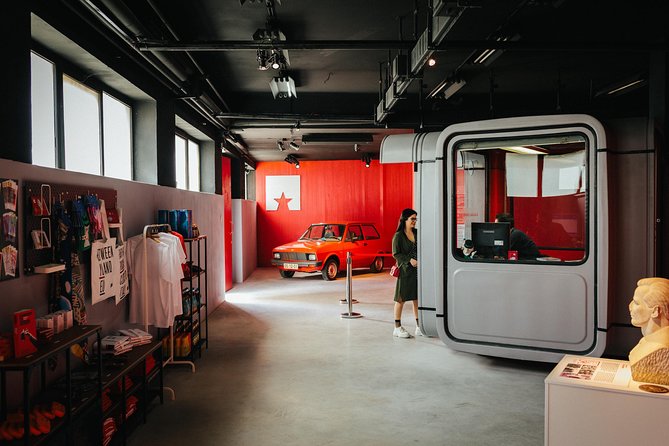
The Red History Museum is at Ul. Svetog Križa 3 in Dubrovnik, and the visit begins and ends at the museum. It is a standalone museum experience rather than a walking tour through the city, so you can fit it around other plans without setting aside half a day.
The subject is the era when Croatia was part of communist-ruled Yugoslavia. If you know little about that period, the displays offer a useful starting point. If you already have some background, the emphasis on ordinary life, design and personal accounts can add a more human scale to the political story.
The museum uses a 300-square-meter space, which makes this a focused visit rather than a sprawling institution. That is a practical advantage if you have a packed Dubrovnik schedule. It also means you should not expect every event or question from the country’s history to receive equal space.
More walking tours in Dubrovnik:
- Dubrovnik: Old Town Walking Tour
★ 4.8 · 5,174 reviews - Dubrovnik Discovery Old Town Walking Tour
★ 5.0 · 4,458 reviews - Dubrovnik: Game of Thrones Walking Tour
★ 5.0 · 1,732 reviews
Room sets and household objects make the past tangible
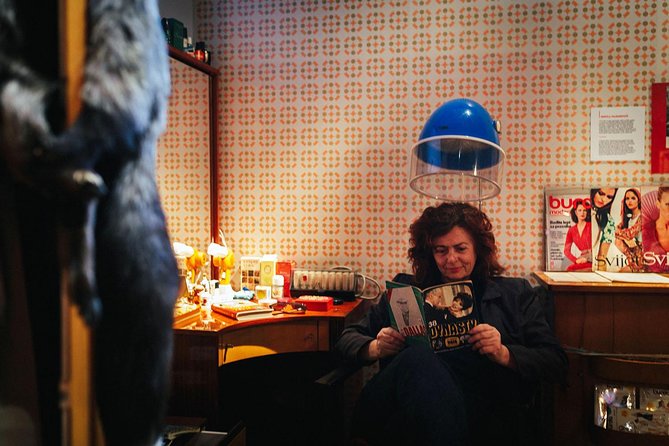
The room sets are among the most useful parts of the experience. Rather than relying only on explanatory text, the museum recreates domestic settings and displays everyday items from the period. You can look at objects in context and consider what daily life might have felt like under a system shaped by the Communist party.
That approach works especially well if you have no personal or family connection to Yugoslavia. A political timeline can tell you when something happened; a room set gives you a sense of the material world people inhabited. The museum’s time-capsule quality comes from this mixture of familiar belongings and an unfamiliar political setting.
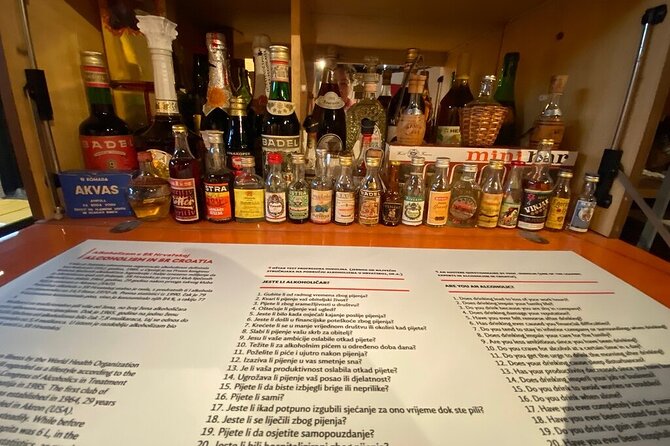
Expect a mix of old and new presentation methods. The museum describes its approach as interactive, with both older and newer technologies used to bring the exhibits to life. The exact features of each display are not specified, so it is best to think of the visit as a varied museum experience, not as a particular technology show.
Politics, secret agencies and the Non-Aligned Movement
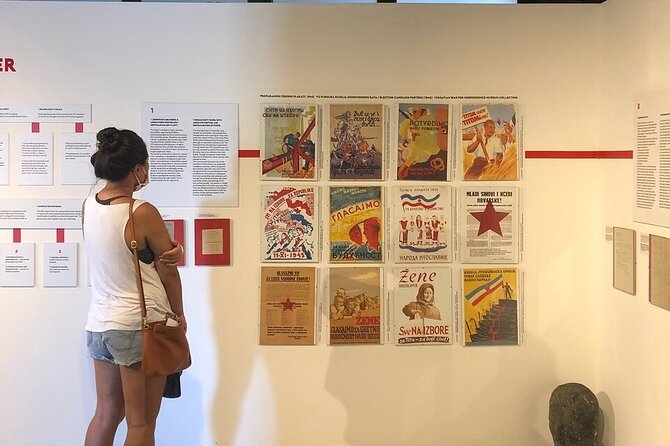
The museum does not stop at interiors and domestic objects. Its subject also includes politics, secret agencies and the Non-Aligned Movement, giving you a broader view of how the state operated and presented itself.
The material on the secret police is a particularly important counterweight to the room sets and popular culture. It brings the realities of surveillance and political control into a visit that might otherwise feel like a nostalgic display of old furniture and music. The museum’s stated focus on people living under the watchful eye of the Communist party helps connect personal stories to the larger system.
You can also expect attention to art and design. That wider lens matters: a society is not experienced through politics alone, and its visual culture and popular tastes can tell you something about daily life. The museum’s inclusion of the era’s greatest hits adds another way to encounter the period, though the exact music selection and presentation are not specified.
What the 90-minute visit feels like
The visit is scheduled for about 1 hour 30 minutes, while the overall duration is also given as a range of roughly 50 minutes to 1 hour 35 minutes. In practice, your pace will depend on how long you spend with the interactive exhibits and room sets. If you read every panel and stop to explore each display, allow close to the longer estimate.
There is no named guide or guided-tour format specified. You should therefore plan for a museum visit in which the exhibits themselves provide the experience, rather than expecting a live guide to lead you through the rooms. If you want a particular explanation or personal perspective, check whether the museum offers that separately before booking.
Prepaid admission is useful if you want to settle the museum into a specific day of your itinerary. It secures entry on your chosen date and means you do not need to buy a ticket at the counter. That is a modest convenience, not a reason on its own to pay a large premium.
The museum is near public transportation, and the activity information says most people can participate. Service animals are allowed. The maximum group size is listed as 200, which is a cap rather than a promise that the museum will feel quiet; if you prefer a calmer visit, the booking details do not identify a less busy time.
More Dubrovnik tours in Dubrovnik:
- Blue Cave Small-Group Boat Tour from Dubrovnik
★ 5.0 · 9,360 reviews - Full-Day Dubrovnik Elaphite Islands Cruise with Lunch and Drinks
★ 5.0 · 8,823 reviews - Dubrovnik: Epic Game of Thrones Tour + Lokrum & Saver Option
★ 4.9 · 5,995 reviews - Dubrovnik: Elaphiti Islands Full-Day Cruise with Lunch
★ 5.0 · 5,938 reviews
Is $211 a fair price for admission?
At the listed price of $211, value is the main question. This is a compact museum visit of about 90 minutes, and the included experience is admission to the Red History Museum. No transport, meal or additional attraction is specified.
The value can still be strong for someone who cares about the subject. A focused museum that helps you understand everyday life under communist rule may be more rewarding than a larger attraction that offers only a passing overview. The combination of personal stories, period objects and political context gives the visit a clear purpose.
But the price deserves a careful check. Confirm whether $211 is the amount you will actually pay, what currency applies and whether the booking includes anything beyond museum entry. The museum itself is described as affordable by one visitor, yet the supplied price is much higher than many people would expect for admission to a small museum. Those details should be clear before you commit.
A useful stop for context, with one gap to keep in mind
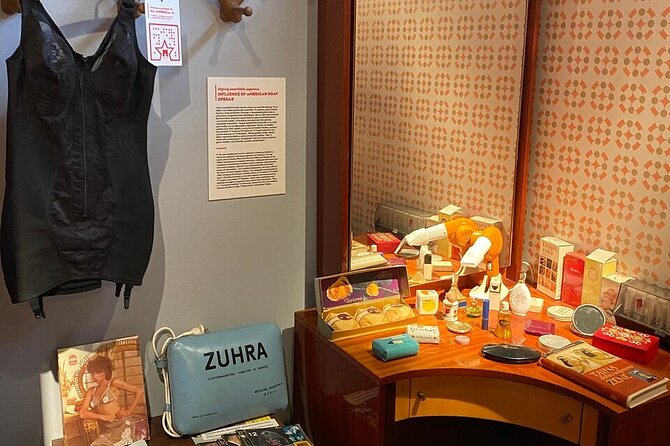
The museum’s strongest appeal is its clear, human approach to history. You are not asked to grasp an entire political era from abstract explanations alone. You can see domestic objects, enter room sets, encounter cultural material and learn about the institutions that shaped people’s lives.
One area you may wish had more space is the period when the system began to break down. The final years and the end of communist rule are not singled out as a major focus in the available description, and one visitor wished that stage had been covered more fully. If that transition is your main interest, you may find the museum’s broader account less detailed than you hoped.
That limitation does not cancel the museum’s value. Its purpose is to offer a window onto everyday life and the wider system, not to serve as a full account of every political turning point. Go in expecting a compact introduction, and you are more likely to find the balance satisfying.
Who should make time for the museum?
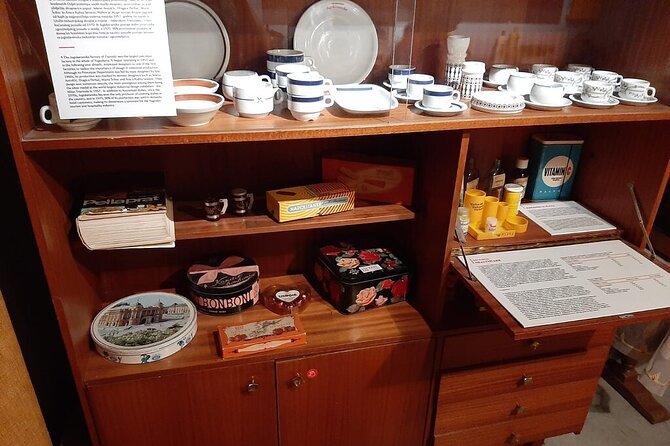
I’d put this museum high on the list if you want to understand more than Dubrovnik’s best-known sights. It is especially useful if you are unfamiliar with Croatia’s communist-era past, or if you want a local context for the region’s recent history. The displays are also a good fit if everyday objects, social history, music and design hold your attention as much as political milestones do.
It is less compelling if you want a long, heavily guided history lesson or a detailed account of the system’s collapse. No guide is specified, and the museum’s size puts a natural limit on how much any one visit can cover. You may also want to compare the price with other plans, given the listed $211 cost.
For a short visit, the timing is convenient: roughly an hour to an hour and a half, at a fixed address, with admission included and the visit ending where it begins. You can book a date in advance, and free cancellation is available if you cancel at least 24 hours before the start time. Changes or cancellations within 24 hours are not accepted for a refund.
Should you book the Red History Museum?
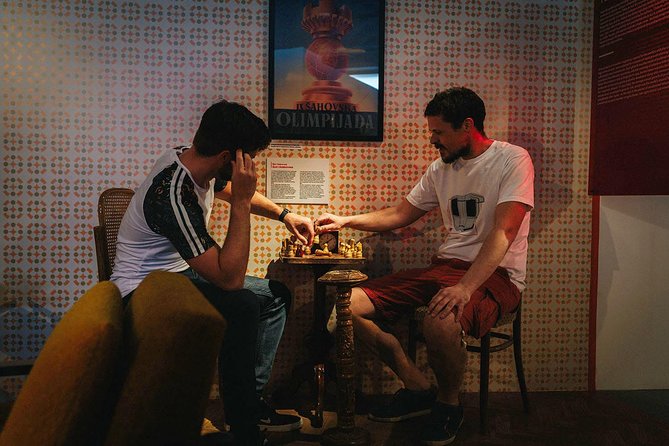
Book it if you want a focused, accessible introduction to life in communist Yugoslavia and value the mix of room sets, everyday objects, cultural material and political context. It is a particularly sensible choice if this period is unfamiliar to you and you want to add more depth to your time in Dubrovnik.
Before booking, verify the $211 price and exactly what it covers. If that is the final cost for admission alone, I would think carefully about the value. If the amount is different at checkout, the museum itself sounds like a worthwhile stop for curious visitors who want to understand the recent past behind the place they are exploring.
FAQ
How long does the museum visit take?
The visit is listed as about 1 hour 30 minutes. The overall duration is also given as approximately 50 minutes to 1 hour 35 minutes, so your pace may affect how long you spend inside.
Where does the activity start and end?
It starts at the Red History Museum, Ul. Svetog Križa 3, 20000 Dubrovnik, Croatia. The activity ends back at the same meeting point.
What is included in the admission?
Prepaid admission to the Red History Museum is included. The museum has interactive exhibits, room sets and displays about everyday life, politics, art, design, secret agencies and the Non-Aligned Movement.
Does the activity include a guide?
No guide is specified in the activity information. The visit is described as entry to the museum and its exhibits.
Can I cancel for a refund?
Yes. You can cancel at least 24 hours before the activity’s start time for a full refund. Cancellations or changes made less than 24 hours beforehand are not accepted for a refund.
Is the museum near public transportation, and are service animals allowed?
Yes. The museum is listed as near public transportation, and service animals are allowed.
Recently added in Dubrovnik
- TOP OFFER: Dubrovnik to Split via Ston, Počitelj, Mostar, Kravica★ 5.0 · 15 reviews
- Private tours to Elaphite Islands by UFO BOAT★ 5.0 · 6 reviews
- Peljesac Wine & Ston Oysters PRIVATE HALF DAY SHORE TOUR★ 5.0 · 10 reviews
- Dubrovnik Old City Walls Private Tour★ 5.0 · 12 reviews
- Ston Tour: City Walls, Saltworks, Wine & Adriatic Seafood★ 5.0 · 3 reviews
- Pelješac Wine, Beach and Lunch – Relaxing Tour from Dubrovnik★ 5.0 · 15 reviews
- Private Full Day Peljesac Wine Tasting Tour from Dubrovnik★ 5.0 · 35 reviews
- Visit magical Mljet Island with private speedboat★ 5.0 · 7 reviews
Dubrovnik Walking Tours, compared.


City Walls Early Morning or Sunset Walking Tour
Read our review →
Dubrovnik Cable Car Ride, Old Town Walking Tour plus City Walls
Read our review →
Dubrovnik Food and Drink Walking Tour with a Local Guide
Read our review →Browse the lists this tour appears in